By Dr. Sarah Mitchell, Senior Health Correspondent | Brain Health & Memory | Updated June 2025
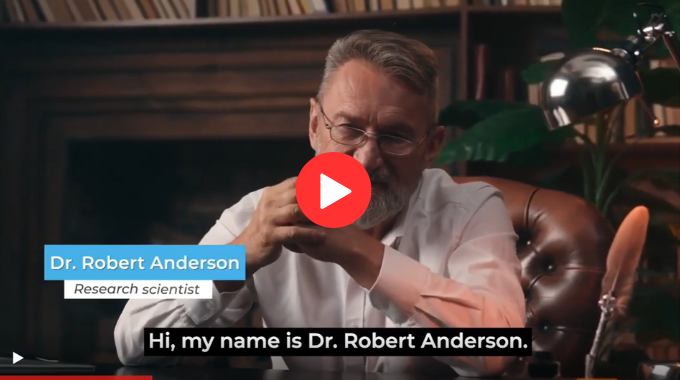
If you've been struggling with brain fog, forgetting names, losing your keys, or blanking out in the middle of a conversation, this short video may explain why and show you how to stop it naturally.
If you're over 60 and you've been struggling with brain fog,
forgetting names, losing your keys, or blanking out
in the middle of a conversation…
You've probably been told it's just a normal part of aging.
Maybe you tried brain games, expensive supplements,
or even prescription medications.
And yet — your memory keeps getting worse.
New findings from leading research institutions reveal that
memory loss and cognitive decline are not caused by aging, genetics,
or amyloid plaques like we were told
for decades.
The real culprit is a sticky "neuro sludge"
that suffocates your brain cells — interfering with your ability
to form and recall memories. And those expensive brain pills?
They do nothing to address it.
A leading brain scientist discovered that a natural compound
found in an Arctic Brain Butter can dissolve this
sludge naturally — supporting the critical brain cells
that protect your memory and cognitive function.
No pills from Big Pharma. No brain games. No drastic diets.
Just a simple natural method that targets the real root cause
of cognitive decline — and helps your brain defend itself again.
Over 37,000 seniors have already used this natural
approach to clear brain fog, address memory decline,
and reclaim the sharp mind they had decades ago.
If you or someone you love has been struggling with
fading memory, this could be the most important video
you watch this year.
The full explanation is in the free video below — including
the 3 common foods that could be feeding this "neuro sludge"
right now.